The Evolution Of Spinners In Digital Entertainment
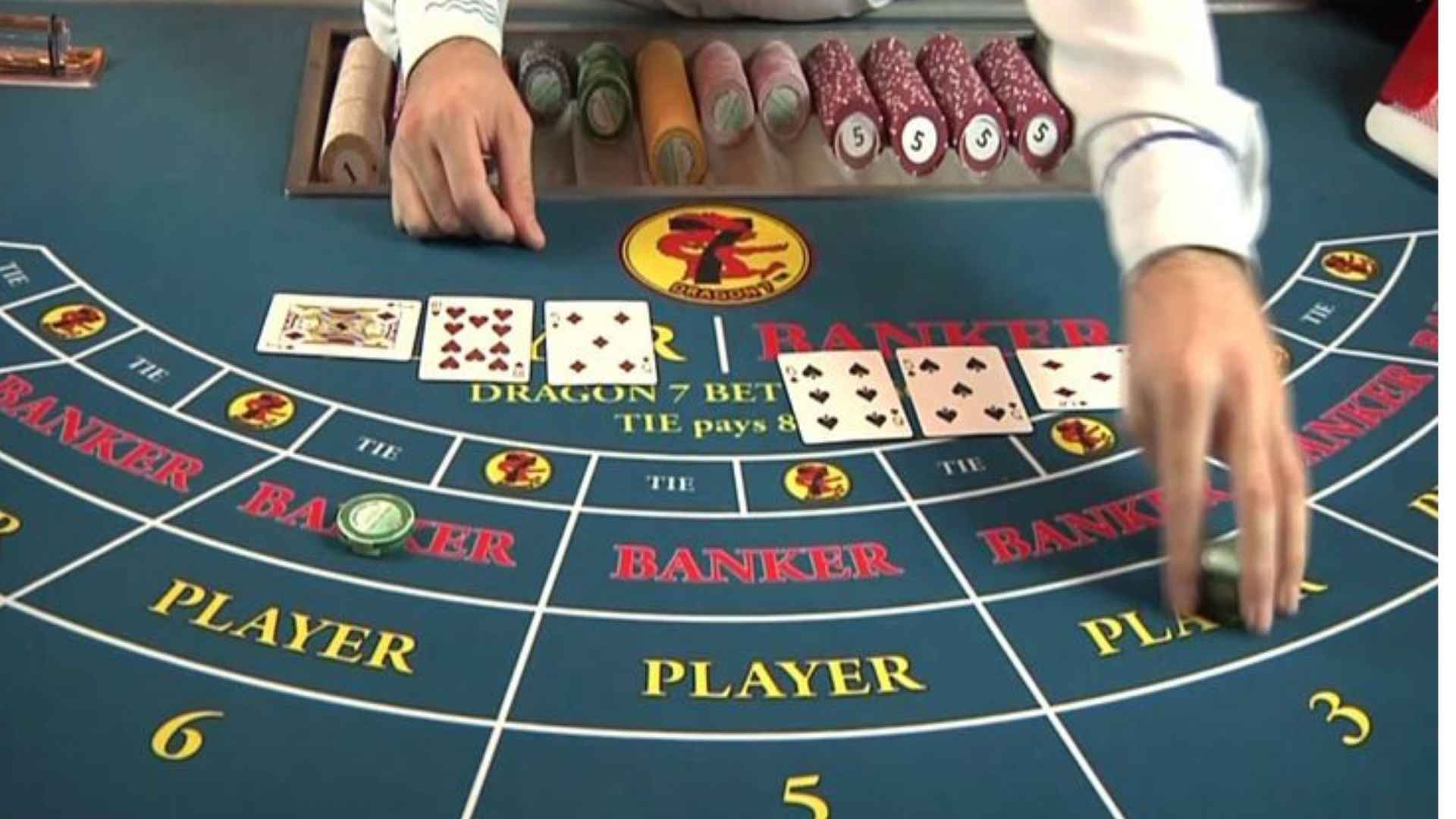
Digital entertainment has undergone massive shifts over the last few decades, transitioning from simple static games to highly interactive, visual experiences. Among the most enduring mechanics in this space is the randomized spinner, a concept rooted in historical carnival prize wheels that has successfully adapted to the modern web. Today, virtual spinning wheels are utilized across gaming platforms, educational applications, and decision-making tools to captivate audiences worldwide.
From Physical Prize Wheels to Digital Interfaces
The original prize wheel was a mechanical staple of fairgrounds and television game shows, relying on physical momentum and friction to deliver suspense. As software development matured in the late 1990s, game designers recognized that the emotional pull of a slowing wheel could be replicated digitally. early computer adaptations used basic animations to mimic this movement, laying the foundation for modern interactive mechanics.
With the rise of internet accessibility, web developers began integrating virtual spinners into e-commerce sites, online games, and casual apps. These early digital models proved that users responded enthusiastically to visual chance mechanics, even when stripped of physical hardware. The seamless transition allowed traditional game show concepts to enter everyday personal screens.
Enhancing Player Engagement Through Visual Design
Modern digital spinners are carefully engineered to maximize user immersion through sound effects, vivid lighting, and fluid deceleration curves. Developers use advanced graphics frameworks to ensure that the motion feels natural, creating an authentic sense of anticipation as the pointer approaches a final stopping point. This combination of visual feedback and subtle audio cues keeps users focused on the screen throughout the spin.
Beyond aesthetics, digital wheels offer unprecedented customization, allowing platforms to dynamically alter rewards, segment sizes, and themes. Users exploring modern gaming portals often seek stable access to their favorite interactive experiences via options like link alternatif m88, ensuring uninterrupted gameplay. This flexibility has made spinners an effective tool for maintaining player retention across diverse demographic groups.
The Role of Random Number Generators
Unlike physical wheels governed by mechanical friction, digital spinners operate entirely on underlying software algorithms known as Random Number Generators (RNG). These systems calculate the final landing spot the moment a user clicks the spin button, while the visual animation serves as an engaging spectacle. This setup guarantees that every outcome remains fair and mathematically independent.
Transparency in RNG technology has helped build trust between players and digital entertainment providers. When players know that the mechanics are unbiased, they can fully enjoy the excitement of the game. Consequently, algorithmic fairness remains a cornerstone of modern digital game development.
Future Trends in Interactive Chance Mechanics
As technology continues to advance, spinning mechanics are being incorporated into augmented and virtual reality environments. Future platforms may allow users to physically reach out and spin virtual wheels within three-dimensional digital spaces, blending physical realism with software flexibility. Furthermore, mobile optimization ensures that these visual games remain light, responsive, and easily accessible on smartphones everywhere.
The evolution of spinners in digital entertainment highlights how simple, timeless concepts can thrive when paired with modern technology. By balancing visual excitement, mobile accessibility, and fair underlying code, the digital wheel remains one of the most reliable tools for creating engaging online experiences.