Common Poker Mistakes Every Player Should Avoid
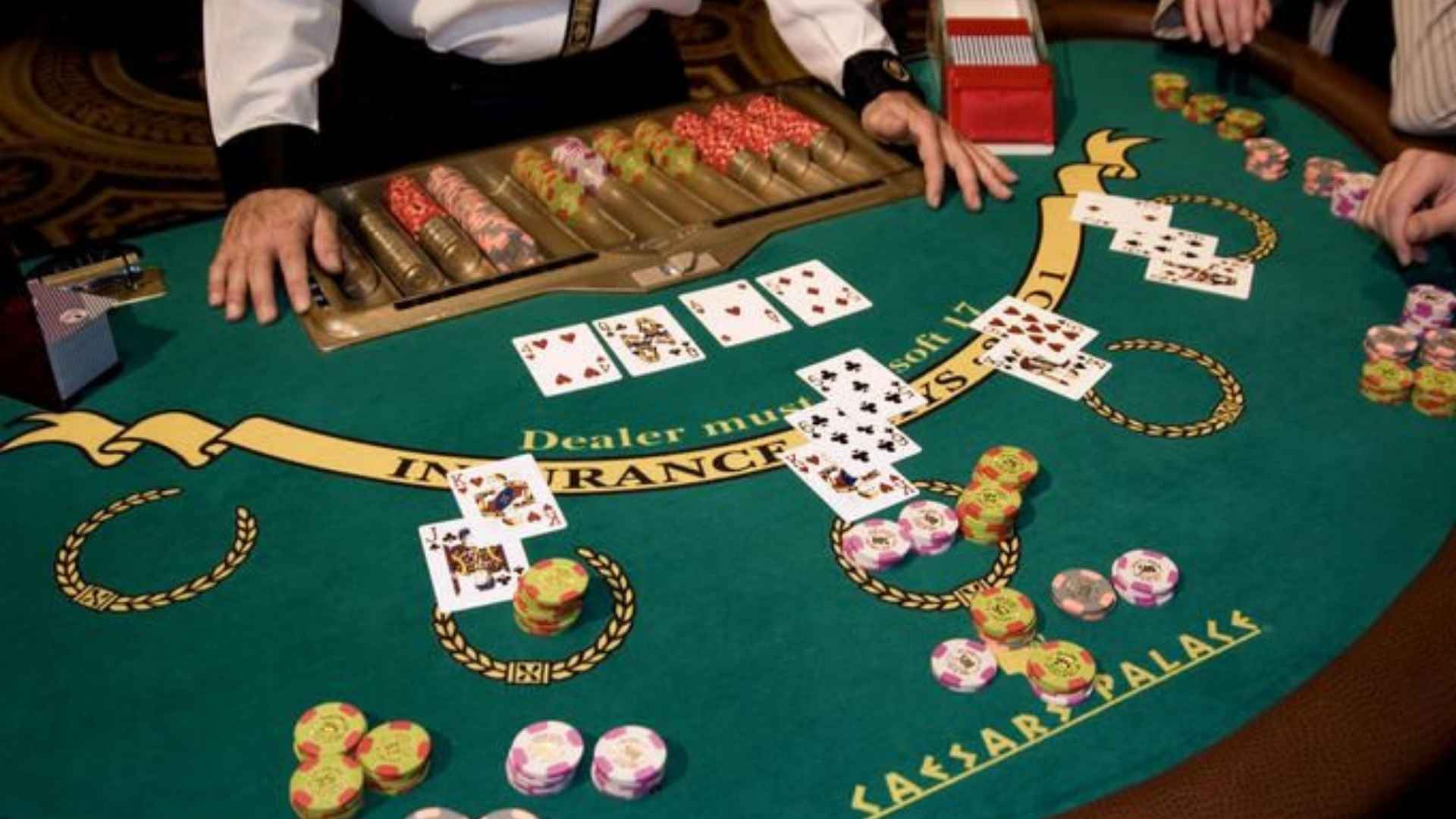
Poker is a game that perfectly blends mathematical strategy, psychological observation, and disciplined decision-making. While anyone can learn the basic rules in minutes, mastering the table requires recognizing and correcting subtle tactical flaws. Many players consistently lose chips not because of bad luck, but due to repetitive, avoidable behavioral patterns.
Playing Too Many Starting Hands
One of the most frequent errors committed by enthusiasts is the lack of strict preflop discipline. Entering pots with weak or marginal hands significantly reduces your chances of long-term success after the community cards are dealt. Developing patience and learning to fold early will immediately preserve your bankroll for much more profitable opportunities.
Position at the table dictates how flexible your starting card requirements ought to be. Playing wide ranges from early position puts you at a severe disadvantage for the remainder of the hand. Solid players understand that selective participation is a powerful tool for maintaining control over their chips.
Overplaying Medium Strength Cards
Another major leak in many tactical approaches is the tendency to overvalue marginal made hands, such as middle pairs. Competitors often build massive pots with these mediocre holdings, mistakenly treating them as unbeatable premium combinations. This habit usually results in losing substantial stacks to opponents who have quietly constructed much stronger hands.
When facing heavy aggression, it is absolutely crucial to re-evaluate the true strength of your hand realistically. Understanding table dynamics can help you recognize when your moderate holding is thoroughly beaten by a tighter opponent. Finding the right platform to test your tactical adjustments safely, such as M88, allows you to practice these critical decisions in real time.
Ignoring Table Position
Table position is frequently regarded as the most underrated element of a successful long-term strategy. Acting last gives you the immense advantage of gathering vital information on every opponent's action before making your move. Disregarding this positional leverage leads to making incredibly difficult decisions under extreme pressure from aggressive players.
Consistently playing pots out of position forces you to guess rather than read your opponents accurately. By focusing your aggression when you hold positional advantage, you can dictate the size of the pot more effectively. This simple strategic shift transforms chaotic sessions into highly manageable and profitable encounters.
Letting Emotions Dictate Strategy
Emotional stability is what separates seasoned veterans from casual enthusiasts over the long run. Allowing a bad beat or a temporary losing streak to trigger frustration often leads to a highly destructive state known as tilt. Once logic is replaced by anger, decision quality deteriorates rapidly and leads to catastrophic chip losses.
Maintaining a calm, analytical mindset ensures that every bet or fold is backed by mathematical reasoning. Recognizing the early signs of emotional distress allows you to take necessary breaks before ruining your hard-earned progress. Cultivating mental resilience remains just as important as mastering the underlying mathematics of the game.